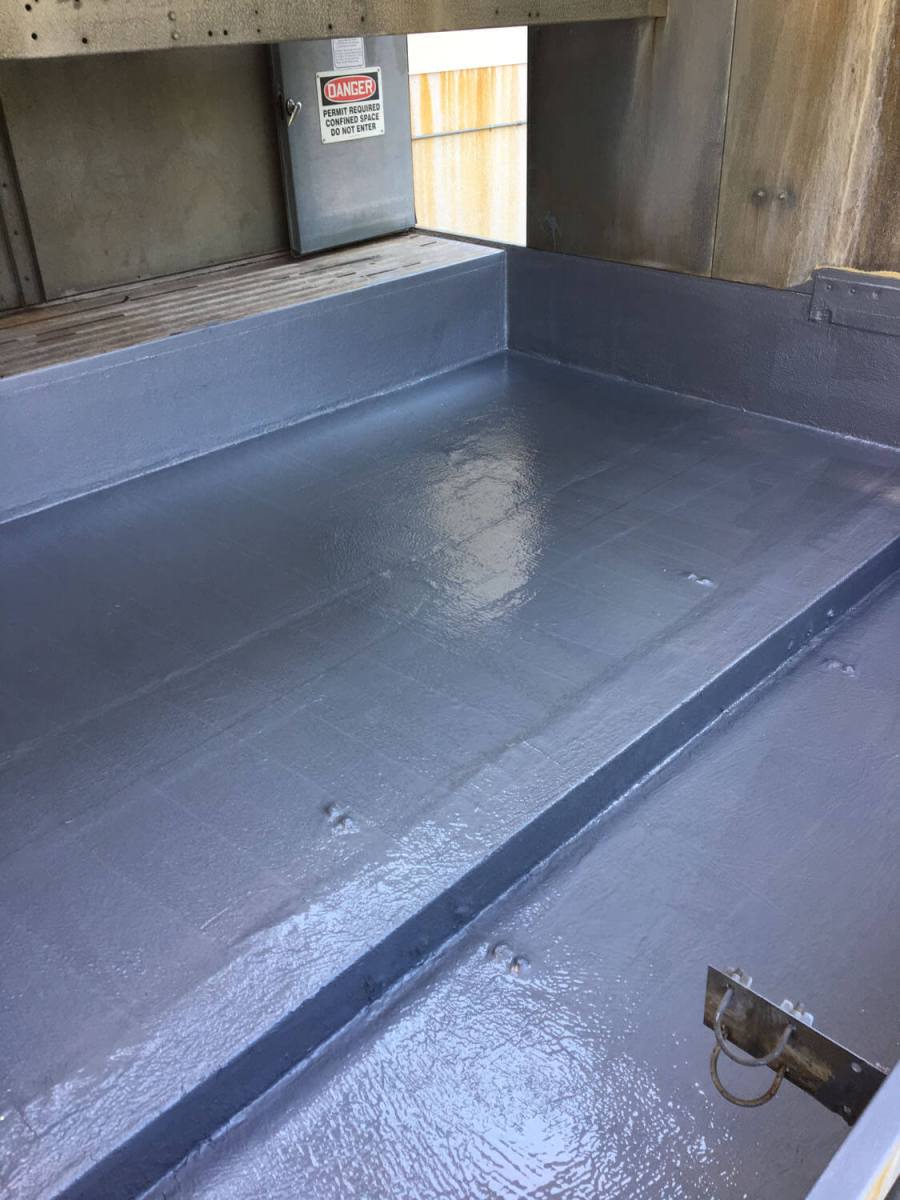
Industrial abrasive blasting is one of the highest-risk routine operations in the protective coatings industry. It involves high-pressure compressed air, abrasive media propelled at velocities that can cause serious injury, confined spaces that create atmospheric hazards, legacy coatings that may contain lead or other heavy metals, and active industrial facilities where the consequences of an incident extend well beyond the crew on the job.
The statistics are sobering. OSHA estimates that more than 4.8 million confined space entries are made in the United States every year, resulting in more than 11,000 preventable injuries - with approximately 148 worker fatalities in confined spaces recorded in a single recent year. That is nearly three people per week. Many of those fatalities occur in exactly the environments whereindustrial sandblastingtakes place: storage tanks, vessels, and enclosed structures at active industrial facilities.
This post explains the primary hazard categories in industrial sandblasting, what OSHA and New Jersey require for safe operations, and what facility managers should look for when evaluating a sandblasting contractor's safety qualifications.
Why Industrial Sandblasting Safety Is Not Optional
Safety compliance in industrial sandblasting is not simply a liability management exercise - it is the difference between a project that completes without incident and one that results in a worker fatality, a facility shutdown, a regulatory investigation, and civil liability exposure for the owner of the property where the work was performed.
Under OSHA's multi-employer worksite doctrine, a facility owner or operator can be cited for safety violations committed by a contractor working on their property - even if the facility owner was not directly involved in the unsafe work. This means that when a sandblasting contractor enters your facility, their safety program is also your compliance exposure. Understanding what a properly credentialed contractor's safety program looks like is not just a technical question - it is a risk management question.
The Six Primary Hazard Categories in Industrial Abrasive Blasting
| Hazard | Source | OSHA Standard | Primary Controls |
|---|---|---|---|
| Silica dust / silicosis | Abrasive media containing crystalline silica; substrate dust | 29 CFR 1910.1053 (General Industry) / 29 CFR 1926.1153 (Construction) | Silica-free abrasive media (garnet, steel grit, glass bead); Type CE supplied-air respirator; engineering dust controls |
| Lead exposure | Blasting lead-based paint on legacy steel structures, bridges, tanks | 29 CFR 1910.1025 (General Industry) / 29 CFR 1926.62 (Construction) | Full containment; HEPA-filtered vacuuming; supplied-air respirator; blood lead monitoring; NJ DEP lead abatement license |
| Oxygen deficiency in confined spaces | Dust accumulation displacing oxygen; inert gas purging; product residue off-gassing | 29 CFR 1910.146 (Permit-Required Confined Space) | Continuous multi-gas atmospheric monitoring (O2, LEL, H2S, CO); forced-air ventilation; no-entry below 19.5% O2 |
| Explosive / flammable atmosphere | Product residue in petroleum tanks; organic blast media combustible dust | 29 CFR 1910.146; NFPA 326 (tank cleaning) | Tank cleaning and gas-freeing before entry; continuous LEL monitoring; intrinsically safe equipment; hot work permit |
| Noise-induced hearing loss | Blast nozzle and compressor noise - typically 115-130 dB | 29 CFR 1910.95 | Hearing protection (minimum NRR 25); engineering enclosures where feasible; exposure time limits per OSHA table |
| Respiratory from coating residue | Blasting surfaces coated with epoxies, zinc primers, chromates, or unknown legacy coatings | 29 CFR 1910.134; 29 CFR 1910.1200 | SDS review for all coatings being removed; supplied-air respirator; containment and ventilation |
Not all of these hazards are present on every project. A sandblasting operation on the exterior of a building in open air presents a very different hazard profile from blasting the interior of a petroleum storage tank at an active terminal. The contractor's safety program needs to be calibrated to the specific hazards of each project - not applied as a generic checklist.
Confined Space Entry: The Most Dangerous Sandblasting Environment
Sandblasting inside a storage tank, vessel, ship hold, pipeline, or other confined space is categorically different from open-air blasting. The OSHA definition of a permit-required confined space includes any space that has limited means of entry or exit, is not designed for continuous human occupancy, and contains or has the potential to contain a hazardous atmosphere. Petroleum storage tanks, wastewater digesters, water storage tanks, and ship ballast tanks all meet this definition.
The primary atmospheric hazards in confined space blasting are oxygen deficiency (dust accumulation can displace oxygen to dangerously low concentrations - below 19.5% O2 is immediately dangerous to life and health), flammable or explosive atmosphere (petroleum residue and organic blast media both create explosion risk), and toxic gas exposure (petroleum residue off-gasses, and blasting lead-painted steel in a confined space concentrates lead dust to extremely high levels).
OSHA 29 CFR 1910.146 requires a written confined space entry program, a written entry permit for each confined space entry, continuous atmospheric monitoring before and throughout the entry, a trained attendant stationed outside the space at all times, a rescue plan with appropriate rescue equipment and trained rescue personnel, and entry supervisor authorization before any worker enters. These are not recommendations - they are legal requirements. A contractor who cannot produce a written confined space entry program and sample entry permit before starting work in a confined space at your facility is not operating legally.
Key point: The atmospheric monitoring required for confined space sandblasting must be continuous - not a single reading taken before entry. Conditions inside a confined space change during blasting as dust accumulates, ventilation patterns shift, and product residue is disturbed. The monitoring equipment must remain active and alarmed throughout the entry.
Lead Abatement: The Hidden Hazard on Legacy Industrial Structures
A significant portion of the industrial infrastructure in New Jersey was built before 1978, when lead-based paint was used universally on steel structures - bridges, water towers, tanks, industrial buildings, and marine structures. Sandblasting that paint generates lead dust at concentrations that can cause serious neurological damage with even brief unprotected exposure.
In New Jersey, the removal of lead-based paint from commercial and industrial structures is a regulated activity requiring specific credentials. The NJDEP Lead Hazard Control Program requires that contractors performing lead abatement on commercial structures hold a valid New Jersey lead abatement contractor license. Workers performing the abatement must hold individual lead abatement worker certifications. These requirements apply to renovation, repair, and painting activities that disturb lead-based paint on commercial properties - including industrial sandblasting of legacy steel structures.
The proper procedure for lead abatement sandblasting includes pre-project lead paint testing (XRF analyzer or bulk sample lab analysis), full containment to prevent lead dust from escaping the work area, Type CE supplied-air respirators for all blast operators, wet methods or HEPA vacuum systems for debris cleanup, proper characterization and disposal of spent blast media as potentially hazardous waste under TCLP testing protocols, and blood lead level monitoring for workers with regular lead exposure. A contractor who does not mention lead testing before beginning sandblasting on a legacy structure is skipping a required step.
Silica Exposure: Why the Industry Moved Away from Sand
The name sandblasting refers to the historical use of silica sand as the primary abrasive medium. The industry largely abandoned silica sand as a blasting abrasive because the fine crystalline silica dust it generates causes silicosis - a progressive, incurable, and potentially fatal lung disease - with even limited exposure. OSHA's updated crystalline silica standard (29 CFR 1910.1053 for general industry) significantly lowered the permissible exposure limit and added requirements for exposure monitoring, medical surveillance, and engineering controls.
Most industrial blasting contractors now use silica-free abrasive media: steel grit, garnet, crushed glass, or coal slag. Garnet and steel grit are particularly common for industrial tank lining preparation work because they produce a sharp, angular surface profile without the silica exposure risk. The abrasive media used by a contractor and its silica content should be confirmed before any blasting project begins - and the safety data sheet for the abrasive media should be reviewed as part of the project hazard assessment.
Containment and Environmental Compliance in NJ
Industrial sandblasting generates spent abrasive media, removed coating material, and substrate debris - all of which must be contained and properly characterized before disposal. When the coating being removed contains lead, cadmium, chromium, or other heavy metals, the spent blast media may classify as hazardous waste under TCLP testing protocols and must be disposed of accordingly.
At waterfront industrial sites along the Arthur Kill, Raritan Bay, and Delaware River - environments where much of New Jersey's industrial coating work takes place - NJDEP waterway protection regulations require that blasting containment prevent abrasive media and debris from entering waterways. This means full shrink-wrap or tarpaulin enclosure systems, abrasive recovery, and in some cases coordinating with NJDEP on required notifications before waterway-adjacent blasting begins. A contractor without experience in waterfront blasting containment at NJ tidal waterway sites is missing a significant component of this market's compliance requirements.
What Proper Safety Documentation Looks Like
A properly credentialed industrial sandblasting contractor should be able to produce the following documentation before beginning work at your facility:
- Written confined space entry program and sample entry permit (if confined space work is involved)
- Written respiratory protection program including medical evaluation and fit-test records for all blast operators
- Lead abatement contractor license issued by NJDEP (for projects involving potential lead-based paint)
- OSHA 29 CFR 1910.146 training records for all personnel assigned to confined space entry
- Safety data sheets for all abrasive media to be used on the project
- TCLP test results or waste characterization plan for spent blast media disposal
- Certificate of insurance including general liability, workers compensation, and where applicable pollution liability
- Hot work permit procedures and coordination plan (for blasting in or near petroleum service environments)
Asking for these documents before a project begins is not bureaucratic overreach - it is basic due diligence that protects the facility owner under OSHA's multi-employer worksite doctrine and NJ environmental compliance requirements.
How to Vet a Sandblasting Contractor for Safety and Compliance
| Credential / Capability | Why It Matters | What to Ask |
|---|---|---|
| NJ DEP Lead Abatement License | Required by law to disturb lead-based paint during renovation, repair, and painting in NJ | Are you licensed by NJDEP for lead abatement on commercial and industrial structures? |
| OSHA 29 CFR 1910.146 Confined Space certification | Required for any permit-required confined space entry - tanks, vessels, manholes | Are all crew members assigned to confined space work trained and certified under OSHA 1910.146? |
| Multi-gas atmospheric monitoring equipment | Required before and continuously during any confined space entry - monitors O2, LEL, H2S, CO | What atmospheric monitoring equipment do you use and who is responsible for continuous monitoring during blasting? |
| Type CE supplied-air abrasive blasting respirator | OSHA-required for abrasive blasting operators - a dust mask or APF respirator is not sufficient | What respiratory protection do your blast operators wear, and is it NIOSH-approved for abrasive blasting? |
| Written confined space entry program | OSHA requires a written program with entry permits, attendant requirements, and rescue provisions | Can you provide your written confined space entry program and a sample entry permit? |
| Containment and abrasive recovery systems | Required for environmental compliance and NJDEP waterway protection at waterfront sites | How do you contain blast media and debris at active industrial sites? What NJDEP permits do you carry for waterfront blasting? |
| SSPC QP1 or equivalent quality program | Demonstrates the contractor has documented procedures for surface preparation, coating application, and QC | Do you hold SSPC QP1 certification or an equivalent documented quality management program? |
How NJ Reliable Coatings Approaches Industrial Sandblasting Safety
NJ Reliable Coatings maintains a written confined space entry program and assigns OSHA 1910.146-trained personnel to all confined space entry work, including interior tank blasting at petroleum terminals, wastewater treatment plants, and industrial vessels throughout New Jersey. All blast operators use Type CE supplied-air abrasive blasting respirators. We carry multi-gas atmospheric monitors for H2S, LEL, O2, and CO on all confined space projects and conduct continuous monitoring throughout each entry.
NJ Reliable Coatings holds NJDEP lead abatement credentials for commercial and industrial structures and performs lead paint testing before any blasting operation on legacy steel infrastructure. We use silica-free abrasive media on all projects - primarily garnet and steel grit selected for the surface profile requirements of each application. Our containment systems meet NJDEP waterway protection requirements for the Arthur Kill, Raritan Bay, and Delaware River waterfront environments where we regularly work.
Working with NJ Reliable Coatings on Tank Lining System Selection
Safety documentation - confined space entry permits, atmospheric monitoring records, lead test results, waste characterization, and insurance certificates - is produced and available for every project we perform.
Contact us:908-315-4723- or visitnjreliablecoatings.comto discuss safety qualifications and project requirements for your facility.