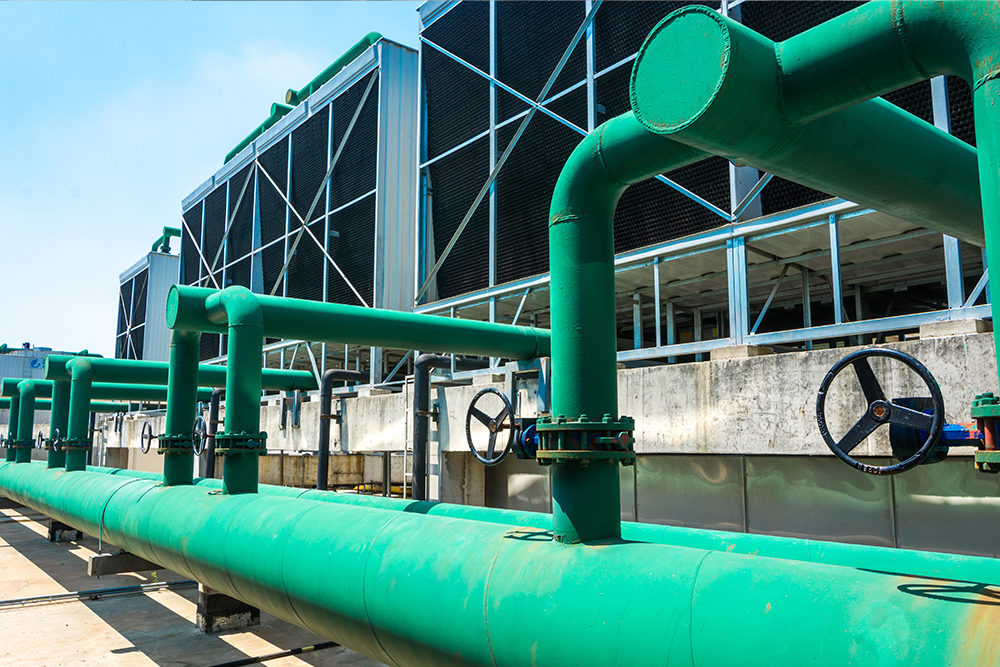
Running a wastewater facility takes more than keeping the equipment turned on. Municipalities, industrial plants, manufacturers, and utilities all operate under strict environmental regulations, and staying on the right side of them takes ongoing attention, not a once-a-year checklist. A violation can mean fines, environmental damage, and in serious cases, infrastructure that needs to be rebuilt from the ground up.
This is where professional wastewater services in NJ prove their value. Through inspections, repairs, coating work, and rehabilitation, they help facilities catch small problems while they're still small, long before they turn into compliance headaches or emergency repairs.
Why Compliance Isn't Just Paperwork
Wastewater regulations exist to protect public health and the waterways that communities depend on. Regulatory bodies set the standards for collection, treatment, and discharge, and when a facility falls short of those standards, the consequences tend to stack up quickly: fines, environmental violations, higher operating costs, emergency repairs, legal exposure, and a hit to public trust that's hard to rebuild. Most of this is avoidable with regular inspections and prompt repairs, which is really the whole point of bringing in a professional wastewater contractor in the first place.
What Professional Wastewater Services in NJ Actually Cover
A lot of compliance work comes down to catching deterioration before it becomes a leak, and catching a leak before it becomes a violation. Contractors typically inspect concrete tanks, clarifiers, manholes, utility vaults, chemical containment areas, effluent tanks, and holding vessels, looking for corrosion, cracking, and structural wear that isn't visible from a quick walkthrough.
When those issues turn up, the fix usually falls into a few categories: leak detection and repair, crack repair, structural rehabilitation, protective liner installation, and secondary containment repair. None of this is glamorous work, but it's exactly what keeps a facility from having an unauthorized discharge on its hands.
Where Protective Coatings Fit In
Wastewater infrastructure takes a beating from chemicals, moisture, and abrasion, day in and day out, which is why coatings matter more here than in most industrial settings. On the corrosion side, a good coating extends the life of tanks and pipelines, cuts down on maintenance costs, and keeps structural deterioration from creeping in. On the chemical side, specialized coatings and linings create a barrier that resists chemical attack and keeps contamination risks down. Together, these solutions let a facility avoid the kind of premature wear that eventually turns into a compliance problem.
Keeping Aging Infrastructure Reliable
Concrete structures in wastewater facilities are under constant pressure from moisture, chemicals, and abrasion, and as that infrastructure ages, the odds of something going wrong start to climb. Resurfacing, spalling repair, crack repair, and reinforcement all play a role in restoring structural integrity before a small crack becomes a much bigger, much more expensive problem.
A solid maintenance program also cuts down on the unplanned disruptions that tend to cause the most compliance trouble. Spotting issues early, scheduling repairs properly, and reducing downtime all add up to a facility that runs the way it's supposed to, instead of lurching from one emergency to the next. Reacting to failures after they happen is almost always more expensive than preventing them in the first place.
Documentation Matters More Than People Expect
Regulators don't just want a compliant facility; they want proof of it. Inspection reports, repair records, project documentation, and quality control procedures are what let a facility manager demonstrate due diligence when an audit comes around. A contractor who keeps thorough records is doing more than good bookkeeping. They're protecting the facility's ability to show, on paper, that problems were caught and addressed.
Choosing a Contractor Worth Trusting
Not every contractor has real experience with wastewater environments, and that gap shows up fast once a project is underway. Look for a team with a track record in wastewater repairs, coatings, and infrastructure rehabilitation, one that offers a broad enough range of services to handle ongoing maintenance rather than piecemeal fixes.
Beyond experience, pay attention to how they plan a project, what materials they use, and how clearly they communicate. A contractor who helps you spot compliance risks before they become problems is worth far more than one who simply shows up after something breaks.
Facilities that want to stay ahead of these issues generally do best by engaging a wastewater contractor in NJ who specifically understands wastewater infrastructure. At NJ Reliable Coatings, we provide inspection, repair, and coating services built around exactly that kind of proactive maintenance.
Frequently Asked Questions
Q: Why do wastewater services matter for regulatory compliance?
A: They cover the maintenance, leak prevention, and corrosion control work that keeps a facility operating within environmental regulations, rather than scrambling to fix a violation after the fact.
Q: Which facilities typically need these services?
A: Municipal treatment plants, manufacturing sites, industrial facilities, and utility providers all rely on this kind of maintenance to keep their systems compliant and running smoothly.
Q: How do protective coatings support compliance?
A: They cause slow corrosion, structural deterioration, and chemical exposure, all of which are common causes of the leaks and failures that lead to violations.
Q: What are the most common wastewater infrastructure problems?
A: Cracking, spalling, corrosion, leaks, general concrete deterioration, and coating failures show up most often, usually as a result of age and constant chemical exposure.
Q: How often should a facility be inspected?
A: It depends on the type of facility, the applicable regulations, and the condition of the existing infrastructure, but regular inspections, rather than waiting for something to go wrong, are what keep small issues from becoming compliance problems.